
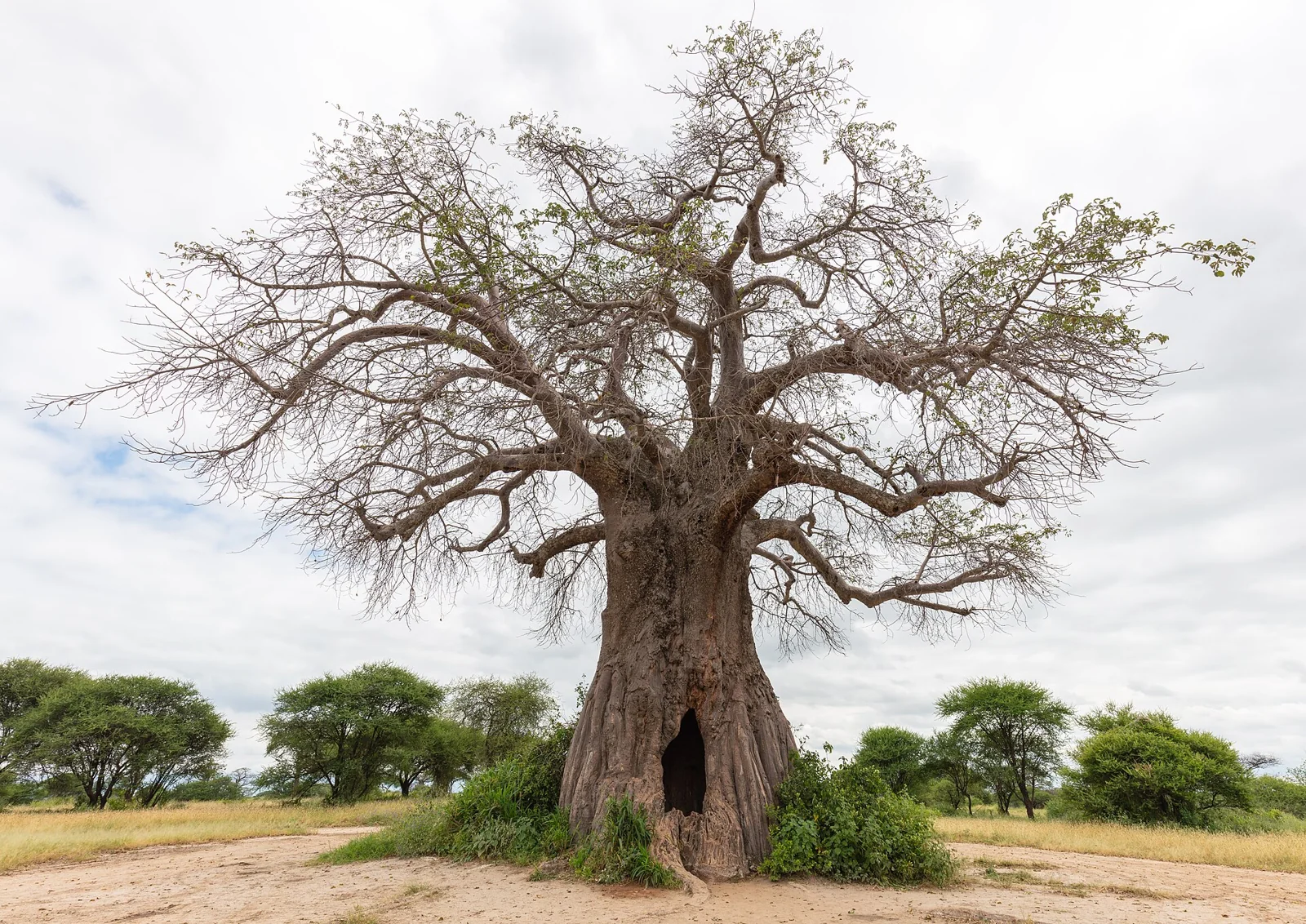
Tarangire is easier to understand when you begin with habitats rather than a list of animals. A riverbank, a swamp edge and a wooded slope offer different ways of looking. Water, vegetation and the shape of the ground help organize what you can see. They also remind you that a national park contains many settings within one name.
The Tarangire River and Silale Swamp belong in that wider picture. They should be identified accurately, rather than used as interchangeable captions for any green or watery photograph. An image of the river is not automatically an image of Silale, and a baobab scene tells you about a different part of the landscape again.

Balloon Safari & Bush Breakfast in Serengeti - Miracle Experience
Miracle Experience is a premier eco-luxury Hot Air Balloon Safari company based in Tanzania. Our incredible safaris over the Serengeti and Tarangire N...

Serengeti Balloon Safari and authentic bush breakfast
Some things are worth getting up early for and this is certainly one of them. The wonderful experience of a hot-air...

Materuni Waterfalls, coffee tour & Kikuletwa Hot Springs
A comprehensive trip, combining hiking, coffee learn, local brewers & a refreshing dip at the hot springs Great cha...

3 Days Serengeti & Ngorongoro Group Camping Safari
On this 3-day camping safari, you will be well looked after and see some of the best that Tanzania has to offer. You...
Follow the river’s relationship with the land
TANAPA’s Tarangire brochure describes a northward-flowing river connected with the park’s swamp systems. It identifies Silale among those associated wetlands. The important idea for a visitor is the relationship between these places: water does not exist as an isolated scenic feature, but as part of a landscape that animals and plants use.
From an appropriate viewing point, notice the change from the channel to its banks and the ground beyond. You may see differences in vegetation, shade or the openness of the view. Ask your guide which features are persistent and which reflect recent conditions. A question about the setting can lead to a more useful explanation than asking only where the next animal might be.
Do not infer a safe walking route from an inviting riverbank photograph. A habitat description explains the place; it does not grant access. Stay with the arrangements for the activity you have booked and the current instructions of the park and the people responsible for the visit.
Give Silale its own name
The official attractions overview identifies Silale Swamp alongside Tarangire’s river loops and other habitats. A swamp is not simply a wider river channel. Vegetation, the spread of water and the way the view opens across the ground give it a different character. Its appearance and the accessible routes around it should be discussed in relation to current conditions.
If Silale is a particular interest, name it when comparing an itinerary. Ask whether the proposed outing includes that area, whether the plan depends on conditions and what the alternative would be if the route changes. A general promise to visit Tarangire does not specify every place within the park.
Look at the wooded spaces too
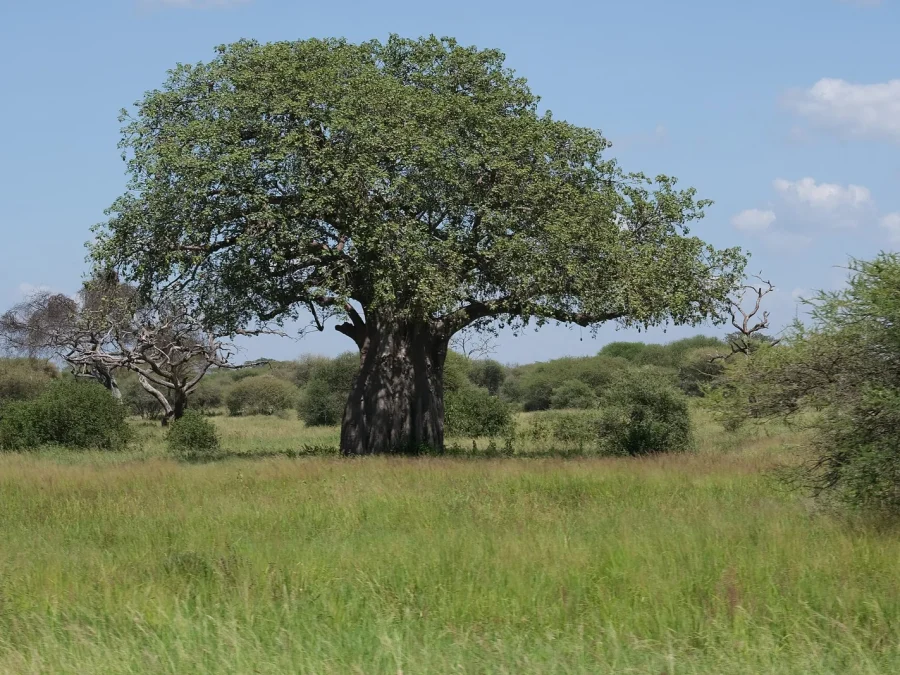
Baobabs, riverine vegetation, woodland and more open ground contribute different scales to the visit. A tree can be a large visual anchor, while a small branch or patch of shade invites closer attention. TANAPA’s attractions material describes these habitats as part of the park’s variety; it does not require you to turn them into a checklist.
Start with form. Compare a broad trunk with the space around it, or the edge of a wooded patch with an open view. Then ask what you are looking at. The feature photograph for this guide introduces the tree landscape; it should not be read as a record of water conditions at Silale.
Use a few questions to slow the visit down
- At a water view:
- Which part of the river or wetland system is this?
- What has changed with recent conditions?
- What can we observe without changing our permitted route?
- At a wooded view:
- Which trees or vegetation are most useful to recognize?
- Where does the cover become more open?
- What small detail deserves a second look?
These questions do not require specialist equipment or a long species list. They help you connect a scene with its location. Notes can be simple: a place name, a description of the setting and one thing you want to understand later. Distinguish something you saw from an explanation you were given.
Photograph the context as well as the subject
A close photograph can show texture or detail, but a wider view helps explain where that detail belongs. Try to retain enough context to recognize a riverbank, a tree setting or the edge of a wetland. Accurate captions matter when you share the images later. If you are unsure of the location, ask rather than attaching the most familiar name.

4h Quad Adventures in Zanzibar: Nungwi / Kendwa Transfer inclus
The price for this activity applies to a maximum of 2 people per Quad. Whether you book for one or two people, the price remains the same. immerse yo...

Stone Town Private Walking Tour
It's fascinating to explore historic Stone Town - a UNESCO World Heritage Site - but it's easy to lose your way in t...

Affordable and Reliable Taxi Services in Zanzibar Island
Our services are reliable and affordable, our drivers are very friendly and they are willing to provide extra help t...

Mnemba Island snorkeling and Swimming with Dolphin
Increase your chances of spotting some of Tanzania’s rarest marine life during a snorkeling tour that takes you to...
For an outing, habitat interests can be part of the conversation with the provider. They do not replace its current route and access information. Read the first-visit guide to choose a realistic trip format, then explore elephants, baobabs and birds for another way to pay attention.
,_parque_nacional_de_Tarangire,_Tanzania,_2024-05-24,_DD_78.jpg)