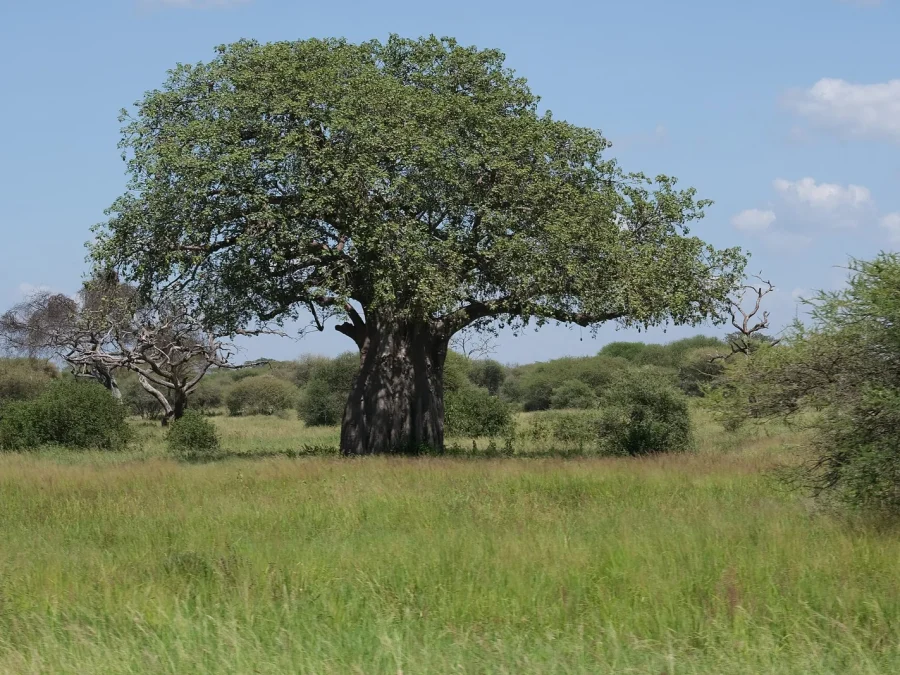
A first Tarangire visit begins with a choice about time. You can include the park in a day outing, or arrange a stay that leaves more room around the visit. Neither format guarantees a particular animal encounter. The useful question is how much of your plan is genuinely available for looking, listening and understanding the place, once travel and other arrangements have been included.
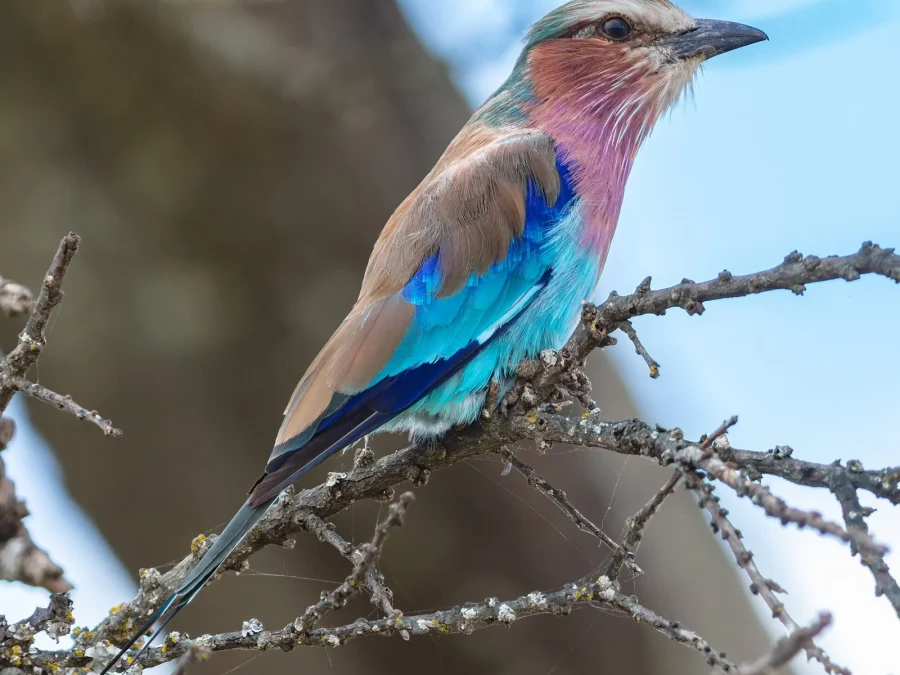
Begin with one reason for choosing Tarangire. You might want to understand the river landscape, spend time watching elephants or give birds more attention. A clear interest helps you compare proposals without turning every itinerary into the same list of possible sightings. It also gives a guide something practical to work with when suggesting a route.

Balloon Safari & Bush Breakfast in Serengeti - Miracle Experience
Miracle Experience is a premier eco-luxury Hot Air Balloon Safari company based in Tanzania. Our incredible safaris over the Serengeti and Tarangire N...

Serengeti Balloon Safari and authentic bush breakfast
Some things are worth getting up early for and this is certainly one of them. The wonderful experience of a hot-air...

Materuni Waterfalls, coffee tour & Kikuletwa Hot Springs
A comprehensive trip, combining hiking, coffee learn, local brewers & a refreshing dip at the hot springs Great cha...

3 Days Serengeti & Ngorongoro Group Camping Safari
On this 3-day camping safari, you will be well looked after and see some of the best that Tanzania has to offer. You...
Compare the whole day
A day visit can be a coherent choice when its starting point, return arrangements and pace work for your group. Read the description from collection to drop-off. A long overall duration is not the same as a long period inside the park. Ask which parts are transfers, which are planned stops and how much flexibility remains once the essential arrangements are complete.
Keep an onward flight or another fixed booking out of a tightly packed sequence unless the responsible providers have confirmed that the connection is realistic. A map gives you orientation, but it cannot promise the traffic, road conditions or administrative time on your travel day. Build the plan around confirmed arrangements rather than an optimistic collection of estimates.
What a longer stay changes
A longer stay can create more opportunities to revisit an area or spend time with a subject that interests you. It also introduces choices about accommodation, meals and the relationship between the overnight place and the activity. More nights do not automatically mean a better route. Ask what the additional time makes possible in the proposal you are considering.
Look for an explanation that connects the stay with your interests. If the main reason is birdwatching, a rushed sequence of vehicle stops may not be the right match. If your group needs regular breaks, say so before booking. A useful itinerary accounts for people as carefully as it accounts for places.
| Format | Potential advantage | Detail to confirm |
|---|---|---|
| A day outing | A focused park visit within a wider trip | Actual park time after transfers and required arrangements |
| A stay near the park | More room around arrival and departure | The property’s exact location and activity pickup |
| An overnight park itinerary | More time allocated to the chosen park programme | Which activities, meals and overnight arrangements are included |
Choose a season with realistic expectations
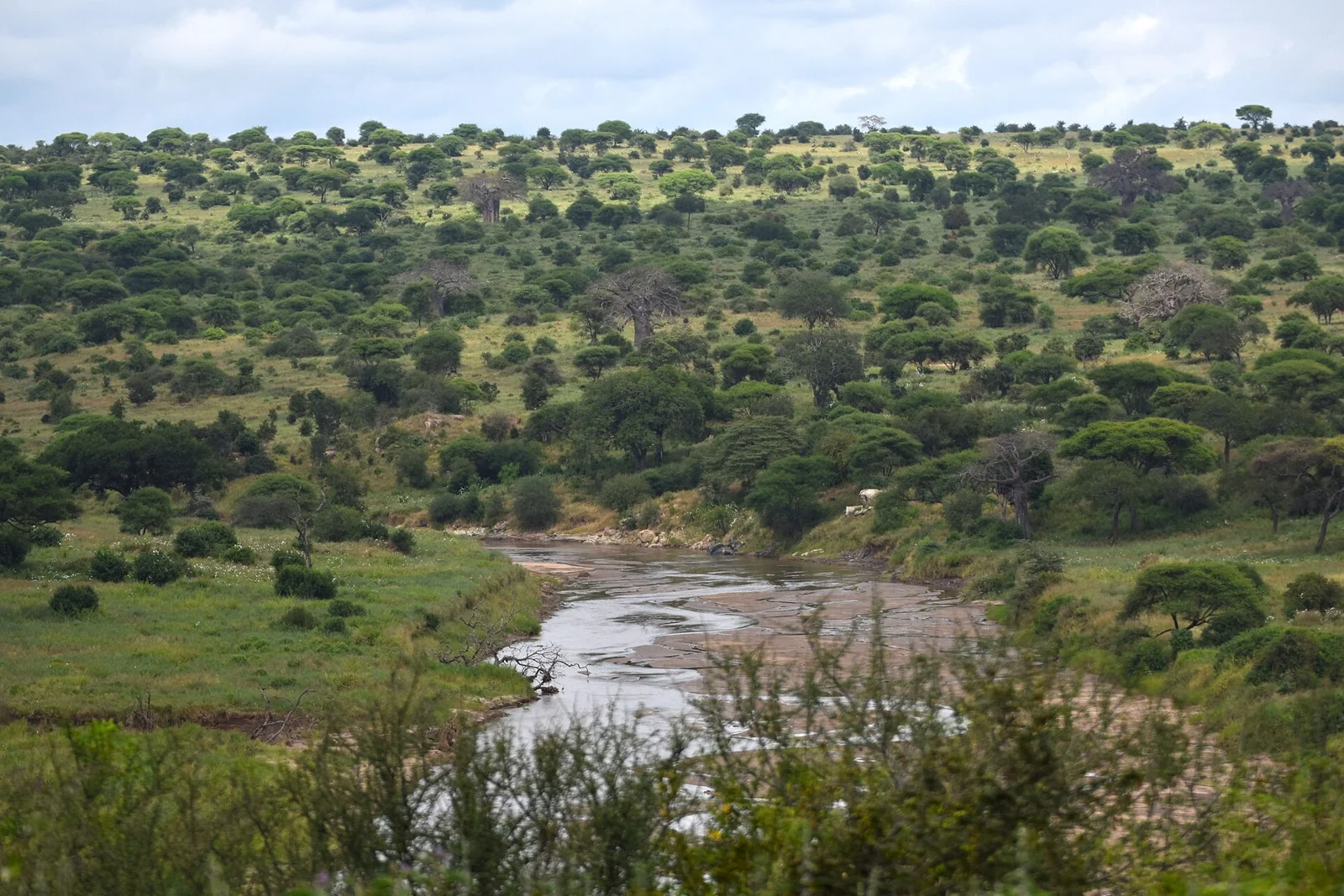
Water is central to Tarangire’s ecology. TANAPA’s park brochure describes the river and associated swamps as important dry-season water sources. That helps explain the landscape, but it is not a prediction of conditions on a particular date. Weather and access need a current check, while animal movements remain variable.
Ask the operator how it adapts a route to the conditions expected during your visit. A good answer should explain the decision, rather than simply promise the same photographic scene in every season. Treat pictures as records of a place and moment. Green vegetation, dry ground and the amount of visible water can look very different across photographs.
Make the practical requirements clear
Use the official visitor guide as a starting point for current park arrangements, then confirm the details attached to your booking. Fees and inclusions can differ by visitor category, activity and service. Ask for the full quoted terms and identify any separate charges before comparing one proposal with another.
Share the information that affects the visit: the exact collection address, the size of your group, mobility requirements and any essential food arrangements. Keep the conversation specific. A provider can respond more usefully to a clear requirement than to a broad request for a comfortable trip.
Leave a little room to stay interested
A satisfying day does not have to cover the largest possible area. Time spent watching one scene can reveal more than a quick photograph followed by another journey. Decide which parts of the plan are essential and which can change. That distinction makes it easier to respond calmly when the day develops differently from the outline.

4h Quad Adventures in Zanzibar: Nungwi / Kendwa Transfer inclus
The price for this activity applies to a maximum of 2 people per Quad. Whether you book for one or two people, the price remains the same. immerse yo...

Stone Town Private Walking Tour
It's fascinating to explore historic Stone Town - a UNESCO World Heritage Site - but it's easy to lose your way in t...

Affordable and Reliable Taxi Services in Zanzibar Island
Our services are reliable and affordable, our drivers are very friendly and they are willing to provide extra help t...

Mnemba Island snorkeling and Swimming with Dolphin
Increase your chances of spotting some of Tanzania’s rarest marine life during a snorkeling tour that takes you to...
Continue with the river and Silale Swamp for habitat context, or use the guided-outing questions to compare a proposal. The places-to-stay guide helps connect your overnight choice with the day you want.