
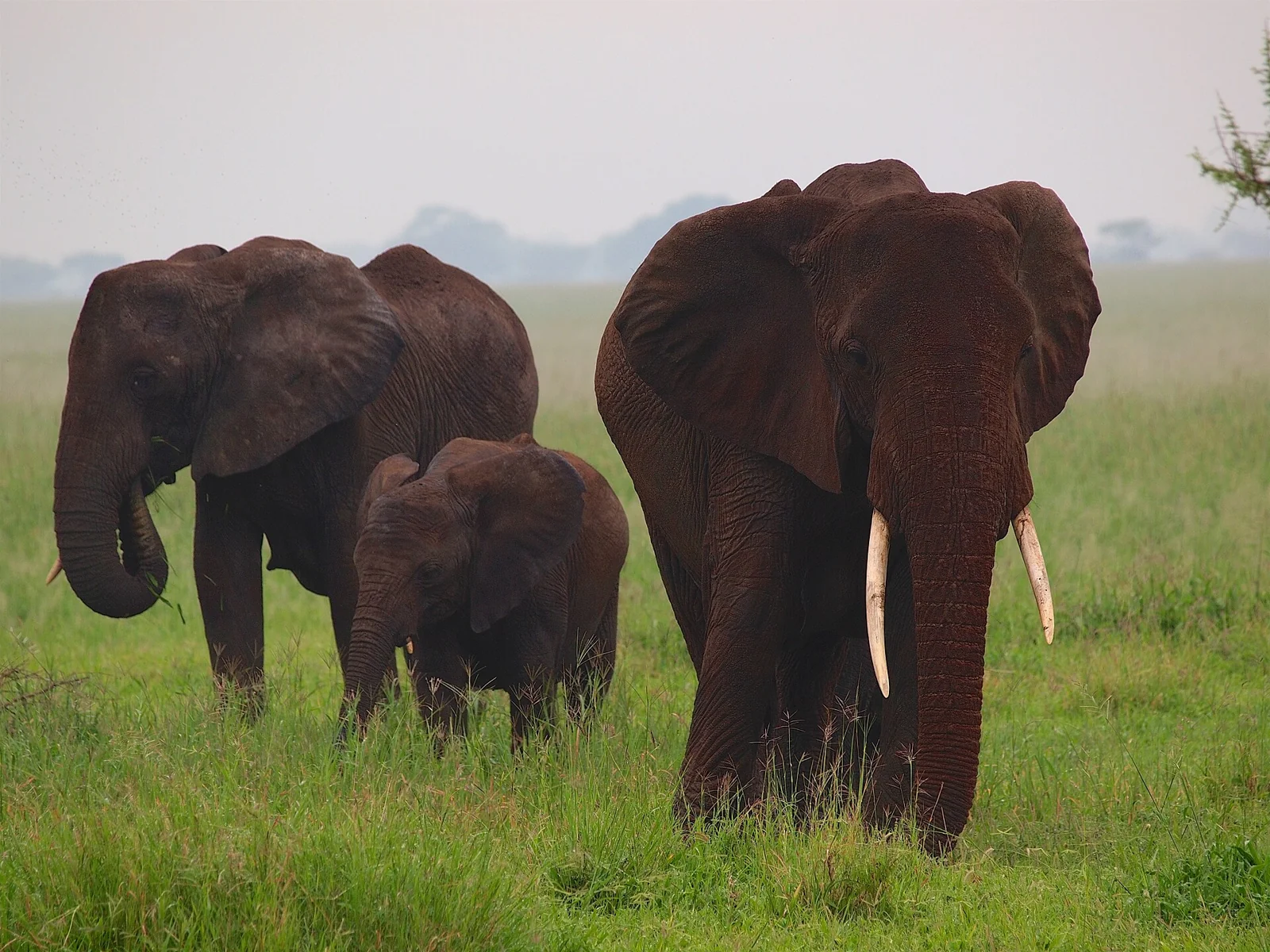
Tarangire’s familiar subjects work at very different scales. Elephants can command an entire view, a baobab can anchor a landscape and a bird may ask you to notice a small movement among branches. Looking at all three changes the rhythm of a visit. It also makes the day less dependent on finding one particular animal at one particular moment.
Begin with curiosity rather than a promised count. Wildlife photographs show encounters that happened, not encounters that a visitor can order. A guide can help interpret what appears during an outing, but neither a website nor a booking title can guarantee the composition of the scene.

4h Quad Adventures in Zanzibar: Nungwi / Kendwa Transfer inclus
The price for this activity applies to a maximum of 2 people per Quad. Whether you book for one or two people, the price remains the same. immerse yo...

Stone Town Private Walking Tour
It's fascinating to explore historic Stone Town - a UNESCO World Heritage Site - but it's easy to lose your way in t...

Affordable and Reliable Taxi Services in Zanzibar Island
Our services are reliable and affordable, our drivers are very friendly and they are willing to provide extra help t...

Mnemba Island snorkeling and Swimming with Dolphin
Increase your chances of spotting some of Tanzania’s rarest marine life during a snorkeling tour that takes you to...
Watch elephants without crowding the encounter
Elephants are a central part of TANAPA’s introduction to Tarangire. The park’s visitor guidance also emphasizes giving animals space and not obstructing their movement toward water. Follow the current instructions of your guide or ranger and keep the encounter within the rules for the activity.
There is plenty to observe without trying to get closer. Notice the relationship between an animal and the setting: whether it is moving through the view, feeding or standing in shade. Let your guide explain behaviour rather than assuming a motive from one gesture. A still photograph can leave out the sequence that made the moment understandable.
Keep the group’s expectations realistic. Waiting may be part of the visit, and the most responsible decision may be to leave a scene or give another vehicle room. A photograph is not a reason to press for a route or position that the responsible guide considers unsuitable.
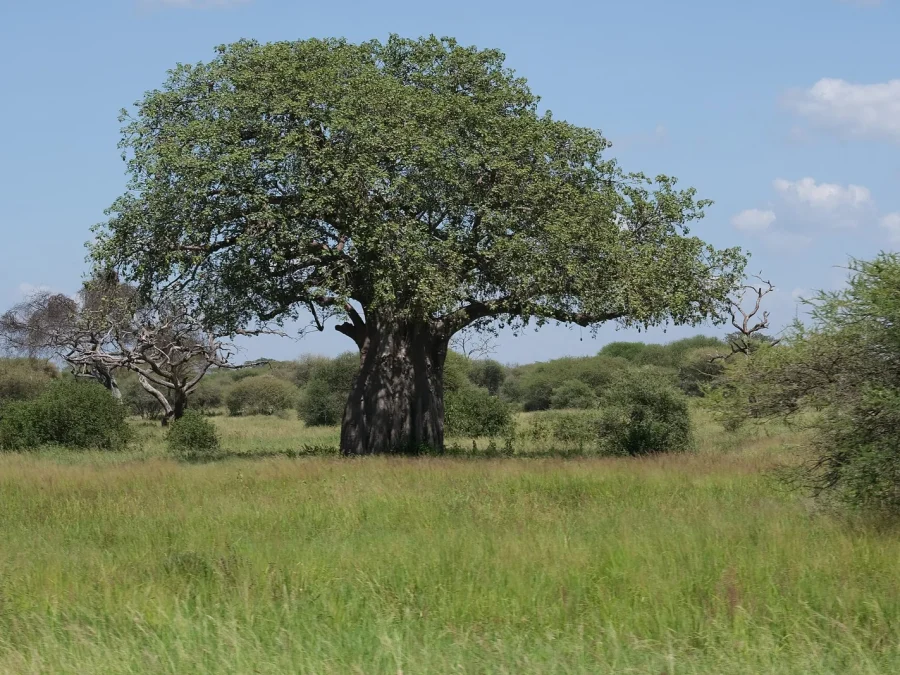
Give baobabs more than a background role
The baobab landscape is one of the park’s recognizable features. You can appreciate it without assigning an impressive age or measurement to every tree. Unless a figure comes from a reliable record for the individual tree, describe what is visible: the trunk’s form, the branching pattern, the setting and the light.
A broad view and a close detail serve different purposes. One places the tree in its surroundings; the other draws attention to texture. The visual contrast between heavy trunks and fine branches is part of what makes a tree scene interesting. Let the shape carry the photograph rather than adding a dramatic story that you cannot verify.
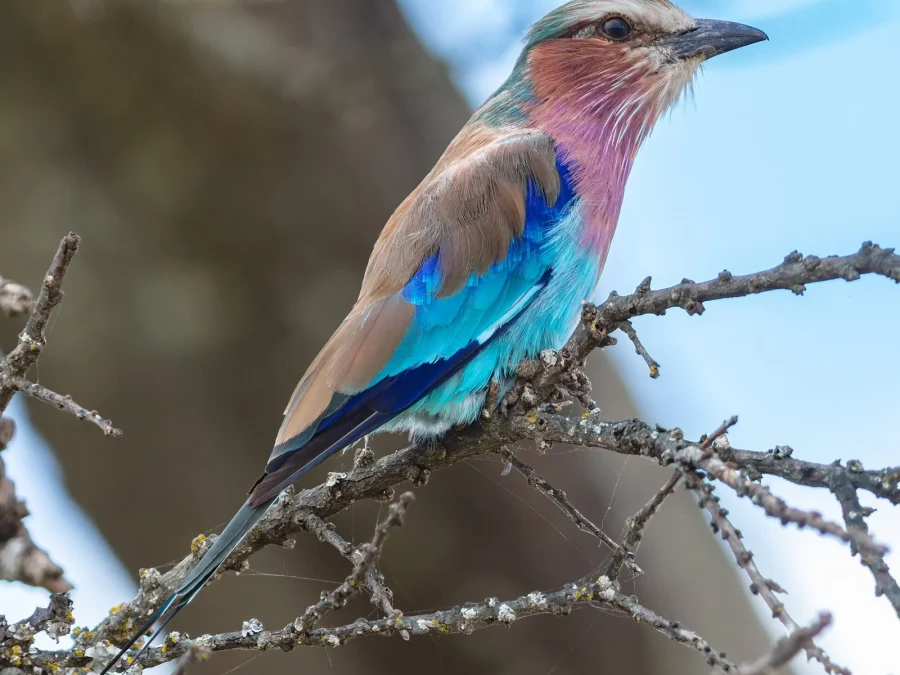
Make room for birds
TANAPA’s attractions page identifies birds such as kori bustards and ostriches, alongside lovebirds, bee-eaters and birds of prey. These examples describe the park’s range, not a guaranteed list for your outing. If birdwatching is a priority, discuss that interest when arranging the visit so the proposed pace makes sense.
You do not need to identify everything immediately. Begin with size, shape, movement and the setting in which the bird appears. A short note about a bill, a call or a flight pattern can be useful when asking a guide for help. Avoid forcing a confident identification from a distant or incomplete view.
Bring equipment that you know how to use. Binoculars can be more practical than relying on a camera screen for every observation. If you share equipment, agree on a comfortable way to take turns. Keeping the experience accessible to the whole group is more rewarding than letting one person’s photograph dictate every stop.
Build a small observation practice
- Locate the subject within its habitat before concentrating on detail.
- Watch for a little while before reaching for a camera.
- Ask a specific question when a guide is available to answer it.
- Write down uncertain identifications as uncertain.
- Leave space for the next part of the visit rather than trying to force a longer encounter.
The sequence is a suggestion, not a rule for every moment. It can help you notice more while remaining attentive to the people and wildlife around you. Keep any equipment handling compatible with the guide’s instructions, and avoid moving into a position simply because it looks better through a lens.
A varied day is still a complete day
A visit can hold your attention through water, trees, animal behaviour and smaller details even when one hoped-for sighting does not happen. The value is not exhausted by the species list. Leave room for a guide’s explanation and for the ordinary changes of light and activity during the outing.

Private/Sharing: Explore Mnemba Island with a dhow
Enjoy a full day trip to Mnemba Island with one of our traditional Dhows. Mnemba Island is a small island located outside the northeast coast of Zanzi...

Balloon Safari & Bush Breakfast in Tarangire - Miracle Experience
Miracle Experience is a premier eco-luxury Hot Air Balloon Safari company based in Tanzania. Our incredible safaris...

Kilimanjaro one day hike experience by KILITA SAFARIS
Experience a scenic day hike on Mount Kilimanjaro via the popular Marangu Route, perfect for beginners and travelers...

3 Days Selous (Nyerere National Park) Safari from Zanzibar & Back
Travel in Tanzania with safe, reliable, and comfortable transportation designed to make your journey seamless from s...
Use the habitat guide to connect these subjects with their settings. For a more focused photographic or birdwatching plan, read the questions for choosing an outing and compare the current terms on Tours.

Balloon Safari & Bush Breakfast in Serengeti - Miracle Experience
Miracle Experience is a premier eco-luxury Hot Air Balloon Safari company based in Tanzania. Our incredible safaris over the Serengeti and Tarangire N...

Serengeti Balloon Safari and authentic bush breakfast
Some things are worth getting up early for and this is certainly one of them. The wonderful experience of a hot-air...

Materuni Waterfalls, coffee tour & Kikuletwa Hot Springs
A comprehensive trip, combining hiking, coffee learn, local brewers & a refreshing dip at the hot springs Great cha...

3 Days Serengeti & Ngorongoro Group Camping Safari
On this 3-day camping safari, you will be well looked after and see some of the best that Tanzania has to offer. You...
.jpg)